
Illinois bill would help local governments pay for storm restoration
Key Takeaways
If your company dried out a city building after one of the storms covered by Illinois’ August 18 disaster proclamation, House Bill 5819 could help the city recover that expense. The city would apply for reimbursement. The proposal creates no direct grant or new filing requirement for your business, and it does not guarantee payment of your invoice.
Why the bill was filed this fall
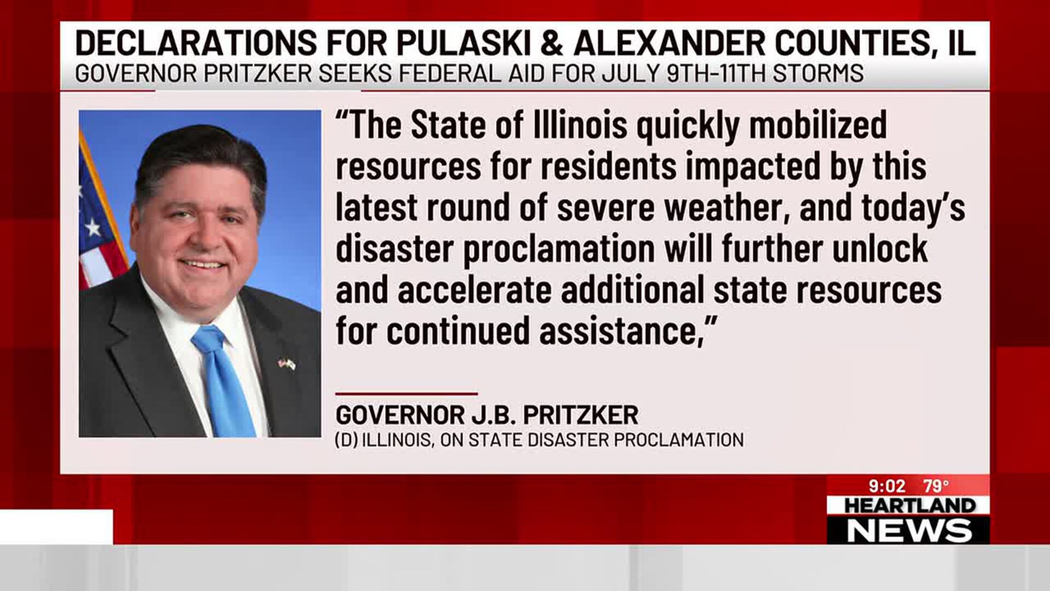
On August 18, Gov. JB Pritzker declared disaster areas in 15 counties after a series of storms. Flash floods hit Alexander and Pulaski counties July 9–11. On July 27, high winds damaged buildings in southern Cook and eastern Will counties. Seven weeks after the proclamation, on October 6, Rep. Anthony DeLuca filed HB 5819, the Local Disaster Relief Funding bill.
Counties named in the bill. Alexander, Champaign, Cook, DuPage, Ford, Fulton, Kane, Lake, La Salle, Marshall, McLean, Pulaski, Tazewell, Vermilion and Will.
Proposed funding
If HB 5819 becomes law and lawmakers provide funding, the Illinois Emergency Management Agency and Office of Homeland Security would reimburse eligible local governments for expenses they incurred. Grants would be awarded in state fiscal years 2027 and 2028. The money could come from the state’s Budget Stabilization Fund. The bill sets no dollar amount.
Disaster Response
The proposal covers mitigation, remediation and reconstruction needed to return damaged property and its contents to their pre-storm condition. It also covers relief such as temporary shelter and repairs to essential services. The agency would set priorities for awards. Local governments would need invoices showing repair costs, evidence linking the damage to a covered storm, and an explanation of how the funds would serve the public.
Where the bill goes next
As of November 18, the House record listed only the October 6 filing. No committee hearing or vote was posted. The usual next steps are a first reading and referral to the House Rules Committee, which can send the bill to another committee for a hearing. Both the House and Senate would have to pass the same text before it goes to the Governor. If lawmakers do not pass it before the current General Assembly ends in January 2027, the proposal would have to be reintroduced.