Restoring Resilience: How BluSky Saved a National Food Supply Lifeline
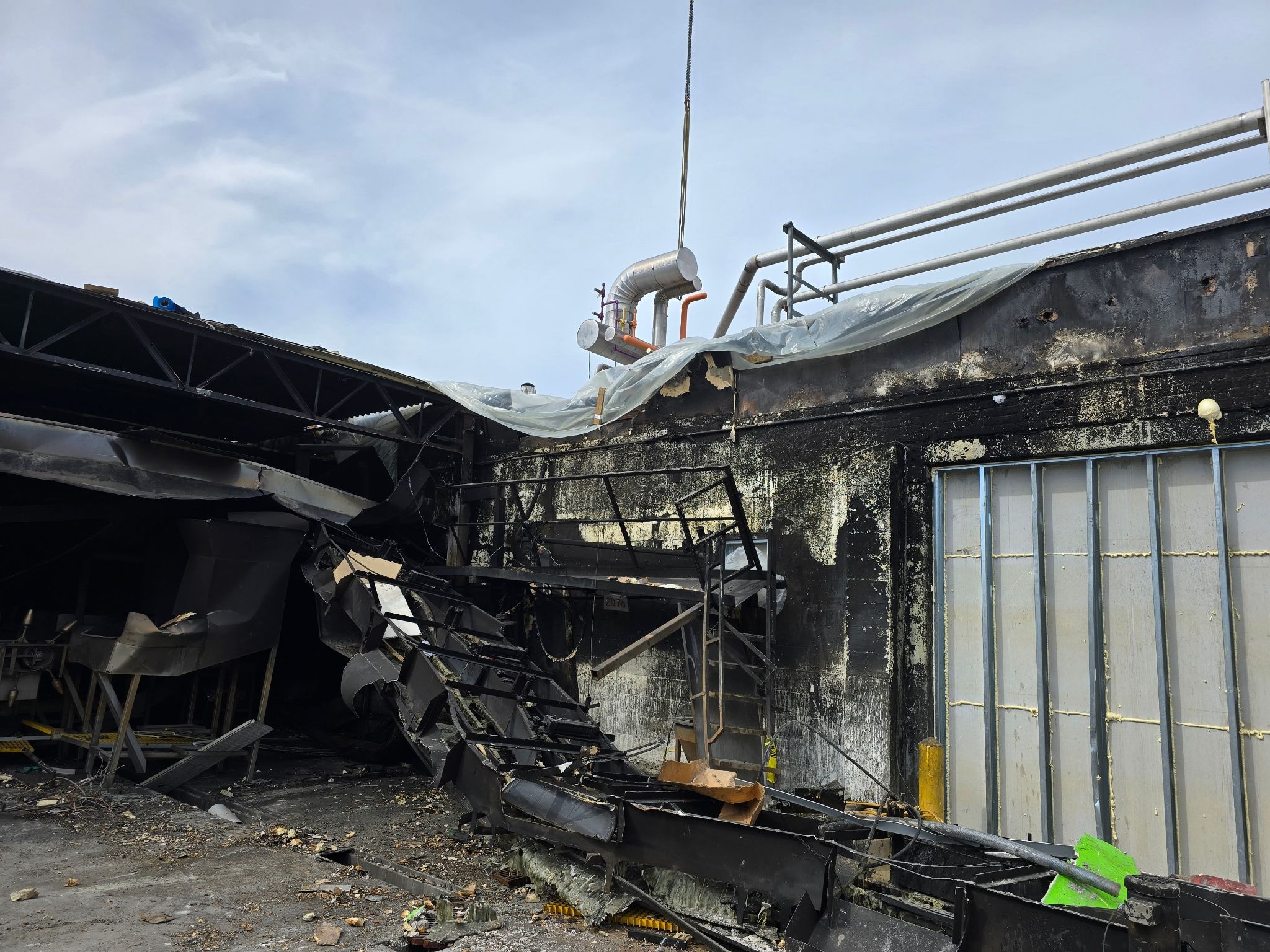
What begins as a devastating overnight fire at a high-volume processing facility often ends in permanent closure. But for one poultry processing plant in rural South Carolina, a catastrophic blaze on January 25, 2025, became a landmark case study in restoration expertise, technical precision, and human perseverance.
This project, submitted for the 2026 RIA Phoenix Award, demonstrates how restoration professionals do more than fix buildings—they stabilize economies and protect national infrastructure.
The Crisis: A $1 Million-Per-Day Emergency
The stakes could not have been higher. The 155,000-square-foot facility is the largest employer in its region and a cornerstone of the national food supply. When a fire tore through the plant, it halted operations for an essential link in the food chain that processes enough poultry daily to feed hundreds of thousands.
The "ripple effect" of the shutdown threatened:
- The facility was losing $1 million in revenue every single day.
- More than 75 family-owned farms were left with no alternative for their poultry, putting their livelihoods in immediate jeopardy.
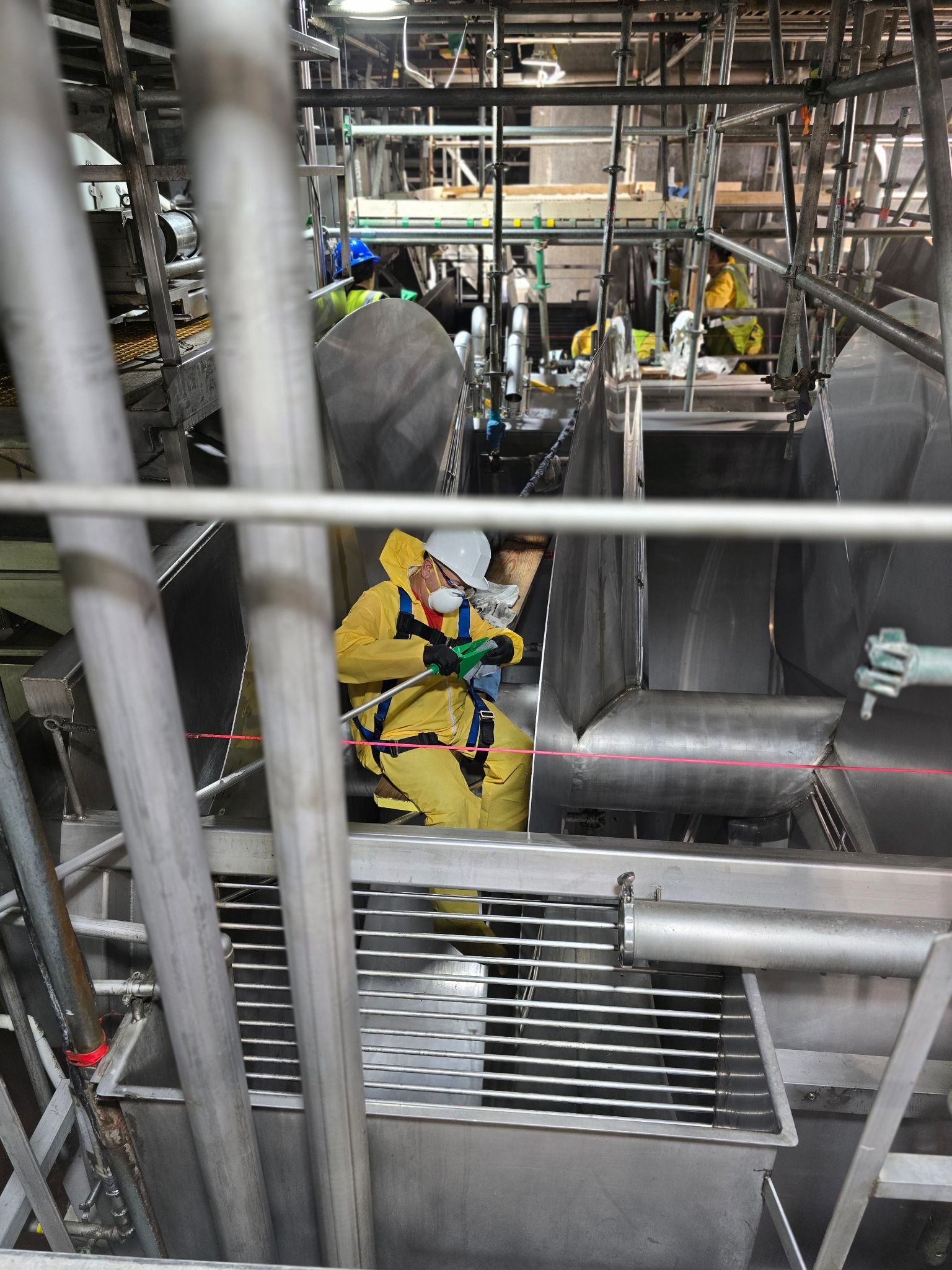
- Sensitive, multi-million dollar stainless steel equipment sat vulnerable to irreversible acidic smoke damage. .
Overcoming Extraordinary Challenges
Restoring a USDA-regulated food plant requires far more than standard fire cleanup. The BluSky team faced a gauntlet of technical and logistical hurdles:
- An initial 60-day estimate was compressed into a three-week hard deadline to prevent the surrounding agricultural ecosystem from collapsing.
- The USDA maintained an on-site office 24/7. Every step of the restoration had to meet non-negotiable hygiene and documentation standards.
- Smoke acidity posed a risk of "pitting" in the stainless steel. Even microscopic pits can harbor bacteria, rendering expensive machinery unusable for food processing.
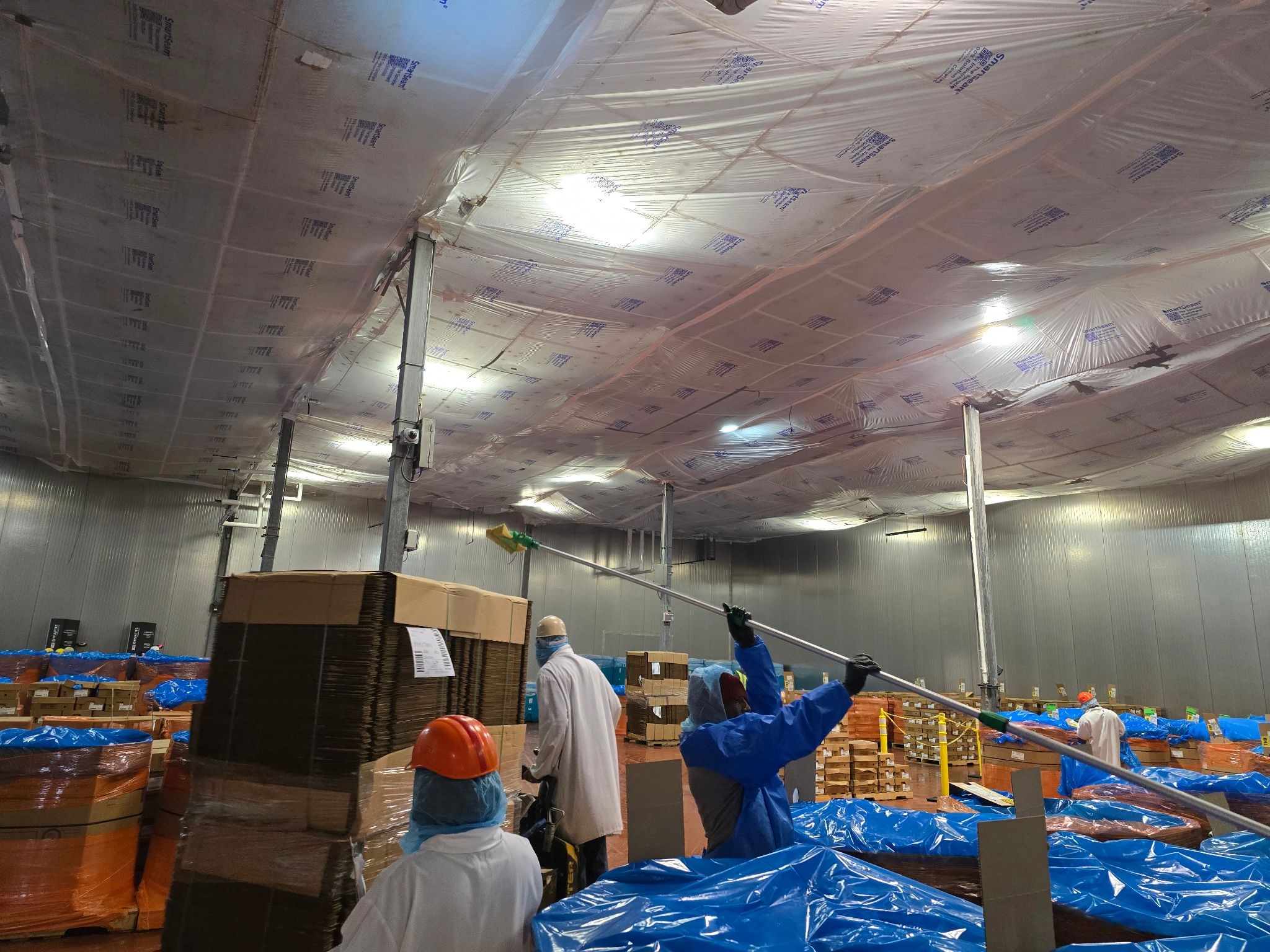
- Firefighting efforts and pressure washing created extreme humidity, essentially creating a "tropical storm" inside the plant that threatened both worker safety and electrical systems.
Ingenuity in Action
To meet the 21-day goal, BluSky deployed a massive workforce of over 500 personnel operating 24/7 in two shifts.
Key Innovations Included:
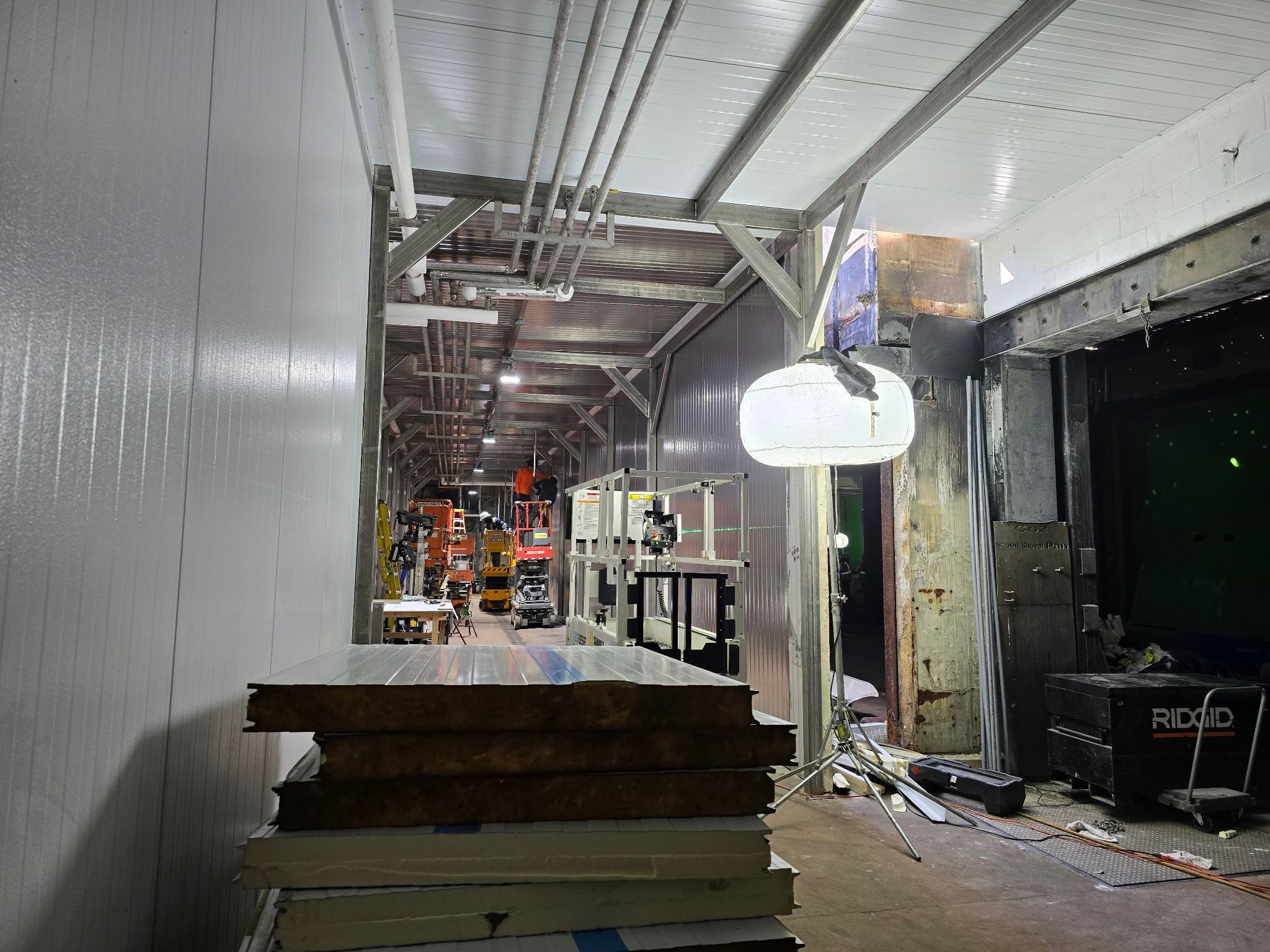
- The team designed and constructed a temporary, insulated, USDA-compliant tunnel inside the facility. This rerouted product flow through a customized conveyor system, allowing the client to restart their highest-value processes safely while permanent reconstruction continued.
- BluSky worked directly with Bioesque Solutions to exponentially increase production of an EPA-registered stainless-steel protectant. By shipping 50-gallon drums to the site rather than standard small containers, they preserved millions of dollars in equipment.
- In a rural location two hours from the nearest city, BluSky built a self-contained city including command trailers and catering stations that provided six meals per day to keep momentum high.
The Result: A Benchmark for the Industry
In just 21 days, the facility was back online. The restoration was so thorough that the client and USDA officials were stunned—the plant visually and operationally functioned as if the fire had never happened.
The Financial Synopsis:
- Project Value: $15 Million
- Duration: ~3 Weeks
- Cost Avoidance for Client: $25–$30 Million in prevented revenue loss
Ultimately, this project highlights the heartbeat of the restoration industry. By integrating the client's own employees into the effort to preserve payroll and foster shared purpose, BluSky didn't just restore a building—they restored trust and momentum for an entire community.